

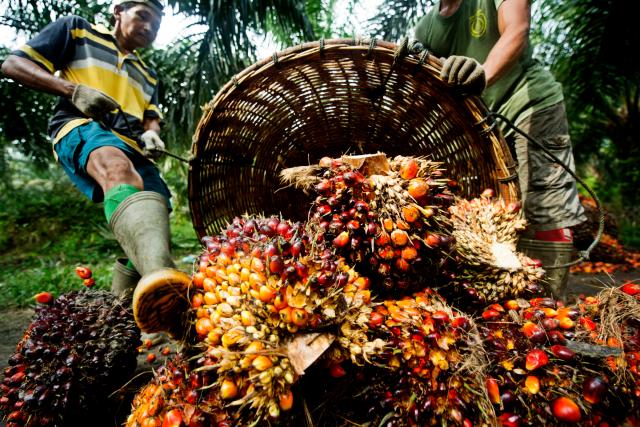
Refined palm oil is one of the most commonly used edible oils in modern food manufacturing. It appears in bakery products, snacks, instant noodles, margarine, confectionery, frying oils, sauces, and many packaged foods. For food producers, the reason is not only price. Refined palm oil offers stable quality, good processing performance, mild flavor, and strong heat resistance.
After crude palm oil is refined, many impurities, odors, free fatty acids, and unwanted colors are reduced. The final oil becomes cleaner, more neutral, and easier to use in different food formulas. This makes it suitable for factories that need consistent production results every day.
What Is Refined Palm Oil?
Refined palm oil is palm oil that has gone through industrial refining steps such as degumming, neutralization, bleaching, and deodorization. These steps improve its color, taste, smell, and shelf stability.
Compared with crude palm oil, refined palm oil has:
· Lighter color
· Milder flavor
· Better odor control
· Lower impurity level
· More stable quality
· Wider food application range
For food manufacturers, these features are important because the oil should not negatively affect the final product’s taste, appearance, or storage performance.
Stable Quality for Large-Scale Food Production
Food factories need raw materials that perform consistently in every batch. Refined palm oil is widely used because it can be supplied with stable specifications. This helps manufacturers control product texture, flavor, moisture balance, and shelf life.
For example, a biscuit factory needs the same dough performance every day. A snack factory needs frying oil that can handle long production hours. A margarine producer needs oil with stable melting behavior. Refined palm oil can support these production needs better than many unstable or highly sensitive oils.
Why Stability Matters in Food Manufacturing
Stable oil quality helps manufacturers reduce:
· Batch-to-batch variation
· Product defects
· Flavor changes
· Short shelf life problems
· Production waste
· Customer complaints
This is especially important for brands that sell packaged foods across different regions or export markets.
Good Heat Resistance for Frying and Baking
One major reason refined palm oil is used in food manufacturing is its heat stability. Many food processes require high temperatures, such as deep frying, baking, roasting, and continuous cooking. Some oils break down quickly under heat, causing off-flavors, dark color, smoke, or quality loss.
Refined palm oil performs well in high-temperature processing. It can help fried foods maintain a stable texture and color during production. This is why it is often used for potato chips, instant noodles, fried snacks, and commercial frying lines.
Common Heat-Processed Food Applications
Refined palm oil is often used in:
· Instant noodle frying
· Potato chips and crisps
· Fried bakery snacks
· Frozen fried foods
· Commercial bakery products
· Industrial cooking oil blends
For manufacturers, a stable frying oil can improve production efficiency and reduce oil replacement frequency.
Neutral Flavor for Different Food Formulas
Refined palm oil has a relatively neutral taste compared with crude palm oil. This makes it easier to use in different food products without changing the original flavor profile.
In food manufacturing, oil should often support the formula rather than dominate it. A biscuit should taste like biscuit. A chocolate filling should taste smooth and sweet. A sauce should keep its intended flavor. Refined palm oil helps manufacturers achieve this because it does not add a strong unwanted taste.
Products That Need Mild Oil Flavor
Neutral flavor is useful for:
· Cookies and biscuits
· Cakes and pastries
· Cream fillings
· Non-dairy creamers
· Margarine and spreads
· Seasoning pastes
· Ready-to-eat meals
This flexibility makes refined palm oil a practical ingredient for many production lines.
Texture Benefits in Bakery and Confectionery
Refined palm oil has a semi-solid nature at room temperature, depending on the fraction used. This gives it useful texture functions in bakery, confectionery, and spread products. It can help improve mouthfeel, structure, softness, and product stability.
In bakery production, refined palm oil can support dough handling and finished product texture. In confectionery, it can help create smooth fillings and stable coatings. In spreads and creams, it can improve body and consistency.
Texture Functions of Refined Palm Oil
Refined palm oil can help with:
· Better creaminess
· Softer bite
· Stable filling texture
· Improved spreadability
· Reduced oil separation
· Consistent product structure
These functions make it valuable beyond simple cooking oil use.
Cost Efficiency and Reliable Supply
Food manufacturers also choose refined palm oil because it is widely available in global trade. A stable supply chain is important for large factories that need continuous production. Compared with some specialty oils, refined palm oil is often more cost-effective and easier to source in bulk.
Cost control is a major concern in food manufacturing. Oil can make up a large part of the ingredient cost in fried foods, bakery products, and processed snacks. Using refined palm oil can help factories balance product quality and production budget.
Why Buyers Prefer Refined Palm Oil
Food buyers often consider:
· Bulk availability
· Stable pricing compared with some oils
· Easy storage and handling
· Flexible processing options
· Suitable performance in many products
· Compatibility with existing equipment
For factories planning capacity expansion, selecting suitable refining, filling, and processing equipment also matters. A reliable palm oil machine can help improve production efficiency and support stable edible oil output.
Longer Shelf Life for Packaged Foods
Packaged food products often need to stay stable during transport, storage, and retail display. Refined palm oil has good oxidative stability, which helps reduce rancidity and quality changes. This is useful for snacks, bakery goods, instant foods, and processed products that may stay on shelves for weeks or months.
A longer shelf life can reduce product returns and improve customer satisfaction. It also helps manufacturers expand into wider distribution channels, including supermarkets, convenience stores, and export markets.
Shelf-Life Advantages
Refined palm oil can help improve:
· Flavor stability
· Color stability
· Texture retention
· Packaging shelf performance
· Long-distance transport suitability
These benefits are especially valuable for food brands that sell through large retail networks.
Conclusion
Refined palm oil is widely used in food manufacturing because it combines processing stability, neutral flavor, heat resistance, texture performance, cost efficiency, and reliable supply. It works well in frying, baking, confectionery, spreads, instant foods, and many packaged products.
For food producers, the value of refined palm oil is practical. It supports consistent product quality, smoother production, and better shelf performance. As food factories continue to focus on efficiency, cost control, and stable product results, refined palm oil will remain an important ingredient in industrial food manufacturing.