

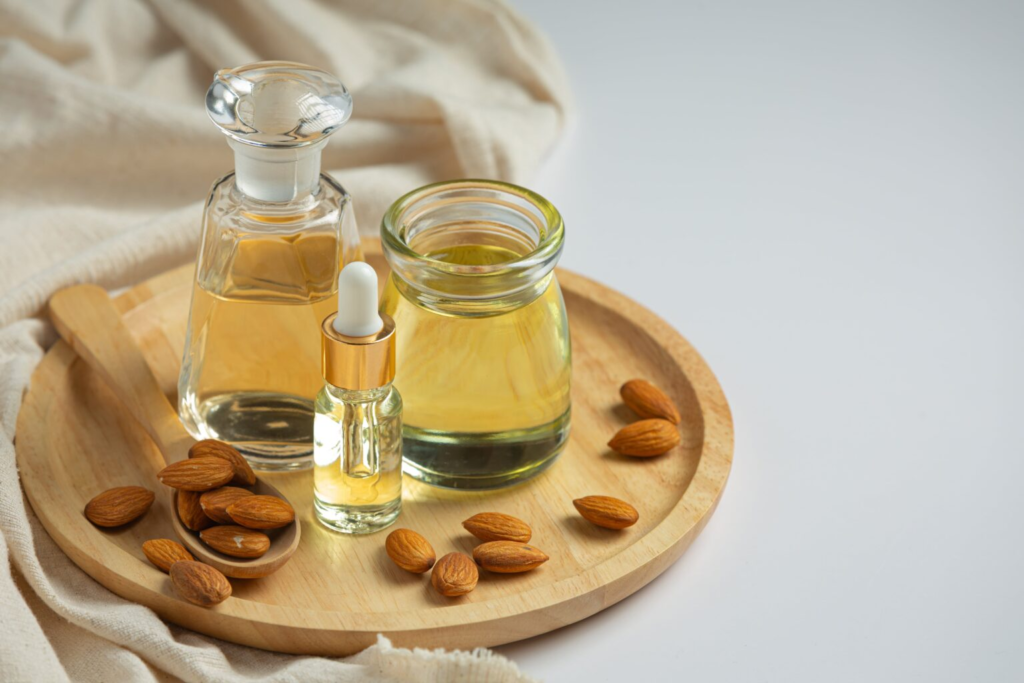
1. Introduction: The Small Kitchen Change With Big Effects
Most people obsess over superfoods, supplements, and diet trends—but overlook one ingredient they use every single day: cooking oil. It’s poured into pans, mixed into doughs, drizzled over salads, and consumed in small amounts at almost every meal. So what happens when you change that one constant?
Switching to cold-pressed oils(auksti spiestas eļļas) may seem like a minor upgrade, but for many people, it becomes a turning point. Taste changes. Digestion feels lighter. Meals feel more satisfying. Over time, even energy levels and overall well-being can shift.
Cold-pressed oils aren’t new or trendy—they’re traditional. Long before industrial food processing, oils were extracted slowly and naturally. Today, as people grow more conscious of what goes into their bodies, these oils are making a quiet comeback. But what actually happens when you make the switch? Let’s break it down.
2. What Are Cold-Pressed Oils? (And Why They’re Different)
Cold-pressed oils are extracted from seeds, nuts, or fruits using mechanical pressure only, without applying high heat or chemical solvents. The temperature is kept low during extraction, which helps preserve the oil’s natural structure.
This matters because heat and chemicals—commonly used in refined oil production—strip away nutrients, antioxidants, and natural flavors. Cold-pressed oils(šalto spaudimo aliejus), on the other hand, retain their original characteristics: aroma, color, and nutritional profile.
Common examples include cold-pressed olive oil, sesame oil, mustard oil, coconut oil, sunflower oil, and groundnut oil. These oils are typically less processed, minimally filtered, and closer to their natural state—making them fundamentally different from refined oils found on most supermarket shelves.
3. What Changes in Your Body When You Switch to Cold-Pressed Oils
Improved Digestion and Gut Comfort
One of the first changes people notice after switching to cold-pressed oils is lighter digestion. Refined oils can feel heavy because they lack natural enzymes and are often overheated during processing. Cold-pressed oils, being less altered, are easier for the body to recognize and process.
Meals cooked with cold-pressed oils often feel less greasy, reducing bloating or sluggishness after eating. Over time, many people report better gut comfort and fewer digestive disturbances.
Better Heart Health Over Time
Cold-pressed oils are rich in healthy fats, particularly monounsaturated and polyunsaturated fats. These fats support balanced cholesterol levels when used in moderation and as part of a balanced diet.
Unlike refined oils, cold-pressed oils retain natural antioxidants that help protect fats from oxidation—something that plays a role in long-term cardiovascular health. While no single ingredient is a cure-all, replacing refined oils with cold-pressed oils is often seen as a positive step for heart-conscious eating.
Reduced Inflammation and Everyday Aches
Highly processed oils can contribute to inflammation when consumed regularly. Cold-pressed oils, especially those rich in omega fatty acids and polyphenols, may help reduce inflammatory stress in the body.
Many people notice subtle improvements—less stiffness, improved mobility, or simply feeling more comfortable overall—after making the switch consistently.
4. You Start Tasting Food Differently (In a Good Way)
One surprising change is how flavor-forward your food becomes. Refined oils are designed to be neutral. Cold-pressed oils are not.
Cold-pressed olive oil adds fruity, peppery notes. Sesame oil brings warmth and nuttiness. Mustard oil offers bold sharpness. These natural flavors enhance dishes instead of masking them.
Because cold-pressed oils are more aromatic, you often need less oil to achieve the same satisfaction. Food tastes richer, more authentic, and closer to traditional home cooking—especially in cuisines that historically relied on unrefined oils.
5. The Hidden Nutrients You Get Back When You Switch to Cold-Pressed Oils
One of the most overlooked benefits of switching to cold-pressed oils is the return of nutrients that are almost completely lost in refined oils. Most people assume oil is just fat—and that all oils are nutritionally similar. In reality, the way oil is extracted determines whether it remains a living, nourishing ingredient or becomes an empty calorie.
Cold-pressed oils retain a wide range of naturally occurring micronutrients that play subtle but important roles in everyday health. Because these oils are extracted without high heat or chemical solvents, their original nutritional structure remains intact.
One of the most valuable nutrients preserved is vitamin E, a powerful antioxidant. Vitamin E helps protect cells from oxidative stress, supports skin elasticity, and plays a role in immune function. Refined oils often lose most of their vitamin E during deodorization and bleaching, while cold-pressed oils naturally maintain it.
Cold-pressed oils are also rich in polyphenols, plant-based compounds known for their anti-inflammatory and antioxidant properties. These compounds help neutralize free radicals in the body and support long-term cellular health. This is one reason cold-pressed olive oil, for example, has been associated with traditional Mediterranean diets known for longevity.
Another critical advantage is the preservation of essential fatty acids, including omega-3 and omega-6 fats. These fats are essential because the body cannot produce them on its own. They support brain function, hormone balance, joint health, and cardiovascular wellness. High-heat refining damages these delicate fats, altering their structure and reducing their effectiveness.
Over time, people who switch to cold-pressed oils often notice visible, real-life improvements—not overnight miracles, but gradual changes. Skin may appear more hydrated and balanced. Hair can feel stronger and less brittle. Energy levels often become steadier, without the heavy or sluggish feeling that refined oils can leave behind after meals.
Perhaps most importantly, cold-pressed oils deliver nutrients in a form the body recognizes and uses efficiently. Instead of consuming “processed fat,” you’re consuming an oil that still carries the natural intelligence of its source seed or fruit.
In simple terms, switching to cold-pressed oils doesn’t add something artificial to your diet—it restores what was missing. And over weeks and months, those small nutritional returns quietly add up to better overall nourishment.
6. Cold-Pressed Oils vs Refined Oils: What Really Changes
The biggest difference lies in processing. Refined oils undergo high heat, bleaching, deodorizing, and chemical treatments to improve shelf life and appearance. This makes them stable but nutritionally hollow.
Cold-pressed oils skip these steps. As a result, they:
- Retain natural nutrients
- Contain fewer chemical residues
- Maintain their original fatty acid structure
- Oxidize less when used correctly
Over time, the cumulative effect of consuming less-processed fats can influence overall health and well-being.
7. Cooking With Cold-Pressed Oils: What You Need to Know
A common myth is that cold-pressed oils can’t be used for cooking. The truth is more nuanced.
- Low to medium heat cooking: Ideal for most cold-pressed oils
- Raw use: Excellent for salads, dips, drizzling, and finishing
- High heat: Some cold-pressed oils (like coconut or groundnut) are more stable than others
Understanding smoke points and choosing the right oil for the right use is key. When used properly, cold-pressed oils are versatile and practical for everyday kitchens.
8. Common Myths People Believe Before Switching
- “Cold-pressed oils are too expensive.”
They may cost more per bottle, but because they’re flavorful, you use less. Quality often offsets quantity.
- “They spoil quickly.”
Proper storage—cool, dark places and airtight containers—keeps them fresh for months.
- “They’re only for salads.”
Many traditional cuisines cook daily with cold-pressed oils. The idea that they’re only for raw use is a modern misconception.
9. The Lifestyle Shift You Didn’t Expect
Switching to cold-pressed oils often sparks broader changes. People start reading labels more carefully, choosing simpler ingredients, and valuing quality over convenience.
Cooking becomes more intentional. Meals feel less rushed. Food starts to feel like nourishment again—not just fuel. This mindset shift is subtle but powerful.
10. Environmental and Ethical Impact of Choosing Cold-Pressed Oils
Cold-pressed oil production typically uses:
- Less energy
- No harsh chemical solvents
- Traditional extraction methods
This often supports small-scale farmers and local producers while reducing environmental waste. Choosing cold-pressed oils can align your kitchen with more sustainable and ethical food practices.
11. How to Switch to Cold-Pressed Oils the Right Way
You don’t need to overhaul your pantry overnight.
- Start with one oil you use daily
- Check labels for “100% cold-pressed” or “unrefined”
- Store oils properly to maintain freshness
- Gradually replace refined oils as bottles finish
This slow transition makes the change sustainable and affordable.
12. Is Switching to Cold-Pressed Oils Worth It?
When you consider improved taste, better digestion, nutrient retention, and long-term health benefits, the answer for many people is yes. Over time, this simple switch can influence how your body responds to everyday meals and how satisfied you feel after eating.
Cold-pressed oils aren’t about perfection—they’re about better choices, made consistently. Even small, mindful changes in your kitchen can create meaningful improvements in overall well-being, without requiring drastic dietary overhauls.
13. Final Thoughts: A Small Change That Adds Up Daily
Switching to cold-pressed oils doesn’t feel dramatic at first. But day after day, meal after meal, the impact accumulates.
Food tastes better. Your body feels lighter. Cooking feels more connected to tradition and care. Sometimes, the most meaningful health changes don’t come from extremes—but from returning to what’s natural.
And it all starts with the oil in your pan.